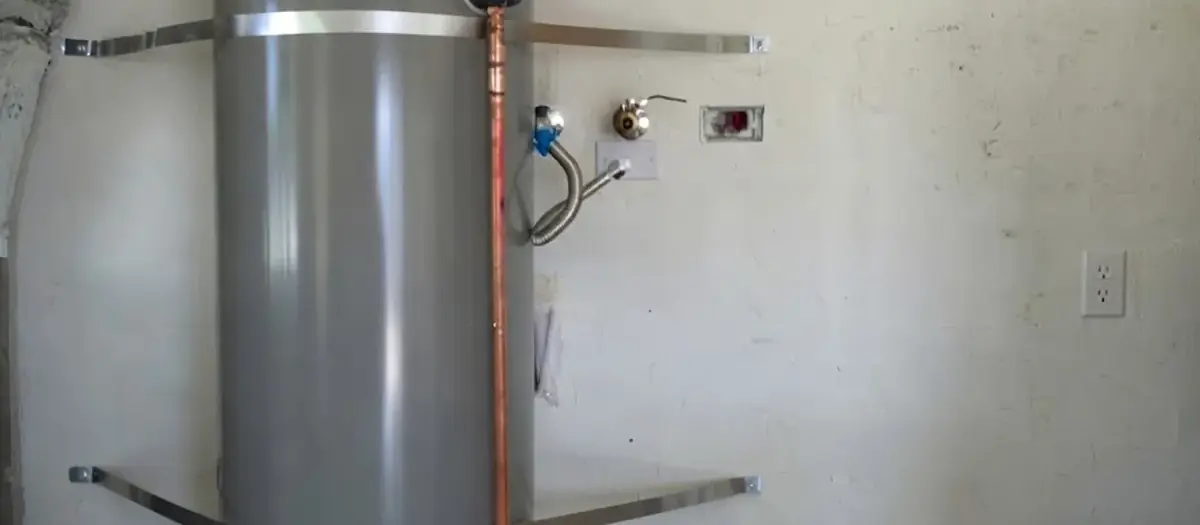
Planning an installation
A new installation starts with where the heater will live. A garage gives room and simple drainage. A closet saves space but needs ventilation and a drain path. An attic location adds a flood risk and requires a secondary pan with a drain.
We look at where the pipes already run, where venting can exit and where a relief line can drain safely. Moving a heater far from the old spot costs more, so we price those options side by side. Gas heater venting follows the maker's installation guidelines and the Florida fuel gas code, and we install to both.
What we confirm before the day
- Hot water demandBathrooms, tubs, laundry and kitchen use decide tank or tankless sizing.
- Fuel availabilityNatural gas, propane and electric service differ at each address.
- Venting pathGas units need a code-compliant flue to the outside.
- Drain and panA pan with a drain line protects floors from small leaks.
- Expansion controlClosed systems need an expansion tank to protect fixtures.
- Permit needsPermit rules vary, so we recommend calling the building division for your address.
Install scenarios
Different projects need different prep.
| Scenario | What changes | What to expect. |
|---|---|---|
| New construction or addition | Fresh gas, water and drain lines | Rough-in then final hookup. |
| Moving the heater | Longer pipes, new vent or wiring | More time, more materials. |
| Switching to tankless | Larger gas line, new vent, condensate | Plan and permit first. |
| Adding a second heater | Separate circuit and pan | Good for large homes. |
How an install visit runs
Walk the site
We check the spot, venting, drainage and shutoffs.
Rough in
We run supply, gas or electric lines and the relief discharge.
Set and connect
We place the heater, connect lines and install the pan.
Test and handoff
We test pressure, ignition or elements and show you the shutoffs.
Planning around Florida conditions
South Florida garages hold heat and moisture year round, and that speeds corrosion on tank fittings. A heater near the garage door can also pick up wind-blown rain during storms. We choose locations and materials with that in mind.
The Florida Building Code, Plumbing, 8th Edition (2023) is the current plumbing code. Local permit steps can differ by property, so ask the Palm Beach Gardens Building Division at 561-799-4210. We can help you understand what questions to ask.
Ready to plan your install?
Call and tell us the room, the fuel and the number of bathrooms.
Gas lines and safety: what to do if you smell gas
Gas heaters need a properly sized gas line, a shutoff within reach and a tested connection. If you ever smell gas, leave the building and call the gas utility or 911 from outside. Florida Public Utilities lists 561-832-0872 and TECO Peoples Gas lists 877-832-6747.
We pressure test gas connections and check venting after every gas install. A good install should never smell of gas or leave soot at the draft hood.
What affects installation cost
Installs vary more than swaps because the work is not repeating an old setup.
Questions we hear most
Installation is planned work for a new or relocated heater. Replacement is for a failed unit in the same spot. For the failed-tank case, see water heater replacement.
A garage with good drainage is easiest. Closets and attics are possible with a pan and a drain line.
Closed plumbing systems often need one. We check your system before choosing.
Yes, with the right gas line and venting. See tankless water heater service.
Permit rules vary, so ask the Palm Beach Gardens Building Division at 561-799-4210. We explain what applies to your project.
Planned installs are scheduled visits. Our 24/7 line at (561) 448-8545 is for emergencies and for booking.