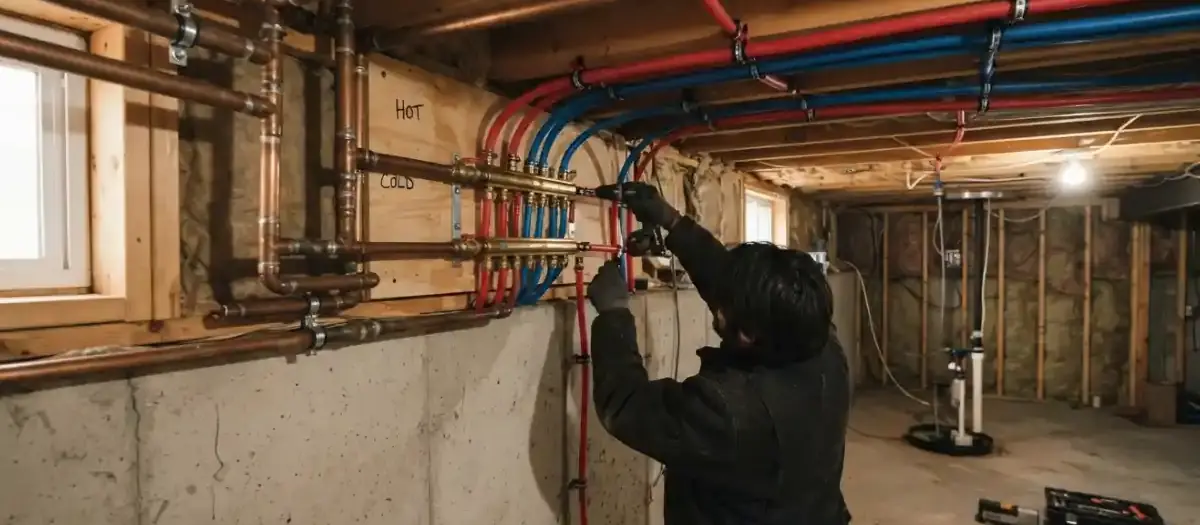
When repiping is the right call
One leak in good pipe is a repair. Several leaks in a short time are a pattern. Each patch holds the old pipe together a little longer and then the next weak spot opens.
A good rule is to compare the cost of repeated repairs, the damage each leak causes and the stress of not knowing when the next will come. When the total passes the cost of a repipe, replacement is cheaper. NSF/ANSI 61 is the standard for pipe and fittings that carry drinking water, so ask your plumber to confirm it for any pipe you choose.
Signs the system is wearing out
- Repeated pinhole leaksThin pipe fails in several spots.
- Discolored waterCorroding steel or old fittings stain the water.
- Dropping pressureMineral and rust buildup restricts flow.
- Visible corrosionGreen crust on copper or rust on steel.
- Leaks near the water heater connectionsOld connections fail first.
Permit office and records
The Palm Beach Gardens Building Division is at City Hall, 10500 N Military Trail, and can be reached at 561-799-4210. It runs an online permit system, with inspection scheduling from 8 a.m. to 3 p.m.
The division's page does not state a permit rule for repiping, so we recommend asking the division directly. If you live in another town, ask that town's building department.
We quote repipes in North Palm Beach as well, using the same inspection first approach.
Source type: City of Palm Beach Gardens Building Division page.
PEX, copper and CPVC
| Material | Pros | Cons. |
|---|---|---|
| PEX | Flexible, fast to run, fewer joints | Not for sunlit exposure. |
| Copper | Proven, sturdy | Costlier, can pit in some water. |
| CPVC | Economical, rigid | Can turn brittle with age. |
How the project runs
We map the existing lines and decide on routes. New pipe goes in through walls and the attic, and we try to avoid cutting concrete. The old pipes are capped or removed. We pressure test the new system before closing walls.
Water is off for part of each day. Most homes can stay occupied. Access holes are patched, but painting is usually left to you or a painter.
Slab homes and rerouting
In a slab house, supply pipes may run beneath the floor. Instead of breaking concrete, we can abandon those lines and run new ones overhead. That avoids slab demolition and often costs less, though it changes where pipes are visible.
See slab leak repair for the options when a single leak triggered the discussion.
Permits and inspections
Repiping often needs a permit and an inspection. Permit rules vary, so ask the Palm Beach Gardens Building Division at 561-799-4210. We can describe the scope so you ask the right questions.
Getting quotes you can compare
Ask each plumber what material they use, how many access holes they expect, who patches drywall, whether permits are included and what warranty applies. A quote that does not answer these is not a quote you can compare. We explain all of this on our repiping page.
Preparing your home for a repipe
Clear the areas near water heaters, closets and under sinks so crews can reach shutoffs and walls. Move wall hangings in rooms where access holes are likely. Plan for water to be off during work hours and keep bottled water and a few jugs ready.
Tell the plumber about pets, remote workers and anyone who needs water at certain times. A good crew sequences the work so one bathroom stays usable as long as possible.
Questions that separate a solid quote from a vague one
- Which rooms get access holesThe answer should be specific, not general.
- Who patches the drywallKnow whether texture and paint are included.
- What happens to old pipeIt is removed or abandoned in place, and you should know which.
- Is a pressure regulator includedA regulator protects new pipes from high street pressure.
- How are permits and inspections handledGet this in writing.
Protect the new pipes with the right pressure
Street pressure can run high, and new pipes last longer if the house has a pressure regulator set in a reasonable range. We measure pressure at a hose bib before and after the project and note the readings for you.
A regulator is a small part, and a failed one can undermine a costly repipe, so check it every few years.
After the project
Run each faucet for a minute to clear air and debris. Clean the aerators, since small particles from the install can collect there. Watch your meter for a day with everything off to confirm the system is tight.
Keep your paperwork, including the permit and the warranty, with your home records. If you ever sell, a repipe is a selling point and the documents prove it.
Comparing repiping to other fixes
A partial repipe replaces one branch, such as a bathroom group or the kitchen line. It costs less than a whole-house job and fits when the rest of the system tests well. A whole-house repipe fits when leaks keep appearing in different places.
Epoxy lining is another option some companies offer. It coats the inside of old pipe, but it does not fix leaks at joints or heavily corroded sections, so ask for the camera or pressure evidence that your pipes qualify.
Quick answers
Often a few days for a typical home.
Usually not. Water is off for part of each day.
All three can work. We discuss your house.
We try to avoid it by rerouting overhead.
Usually only the damage from a sudden leak.
Call the Building Division at 561-799-4210 or use the city's online permit system. We will describe the work so the answer is specific.